

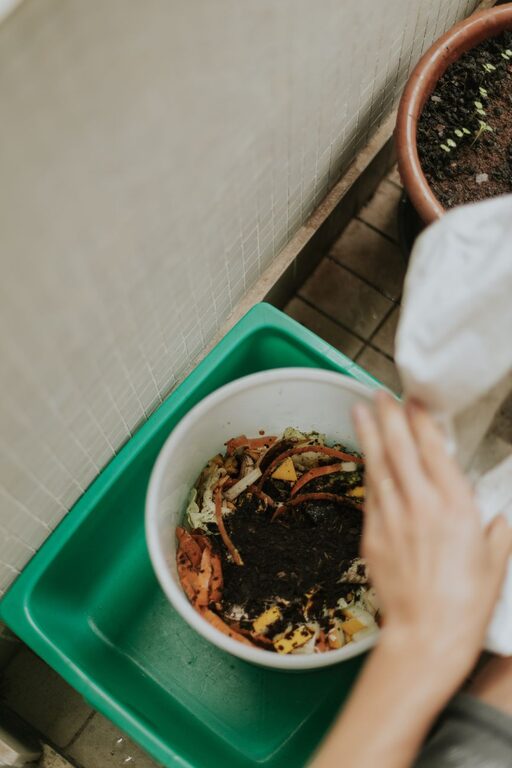
Composting at home is a fantastic way to reduce waste, enrich your garden soil, and help the environment. If you’re new to composting, it might seem a bit overwhelming at first, but with a few simple tips, anyone can start turning kitchen scraps and yard waste into nutrient-rich compost. This guide will walk you through the basics of home composting and give you practical tips for success.
What Is Composting?
Composting is the natural process of recycling organic matter, such as food scraps and yard waste, into a dark, rich soil amendment called compost. This compost improves soil quality, helps plants grow better, and reduces the amount of waste sent to landfills.
Benefits of Composting at Home
– Reduces waste: Composting keeps food scraps and yard debris out of the trash.
– Enriches soil: Compost adds nutrients and improves soil structure.
– Saves money: Healthy soil means less need for chemical fertilizers.
– Supports the environment: Composting lowers greenhouse gas emissions and encourages healthy ecosystems.
Getting Started: What You’ll Need
Choose a Compost Bin or Pile
You can use a compost bin, a tumbler, or simply start a compost pile in your backyard. Bins help keep things tidy and can speed up decomposition, but a pile works as well.
– Compost bin: Available in many sizes; usually enclosed to deter pests.
– Compost tumbler: A rotating container that mixes compost easily.
– Compost pile: Simply a pile of compostable materials in your yard, less contained but effective.
Pick a Good Location
Find a dry, shady spot with good drainage for your compost bin or pile. This will help control moisture and temperature, making decomposition faster and easier.
What Can You Compost?
Browns and Greens
Successful composting depends on balancing “browns” and “greens.”
– Browns: Carbon-rich materials such as dry leaves, straw, cardboard, and paper.
– Greens: Nitrogen-rich materials like fruit and vegetable scraps, coffee grounds, grass clippings.
Aim for roughly three parts browns to one part greens for the best compost.
Avoid These Items
Some materials don’t compost well or may attract pests:
– Meat, dairy, and oily foods
– Pet waste
– Diseased plants
– Weeds that have gone to seed
– Treated wood or charcoal ash
How to Build Your Compost Pile
Step 1: Add Materials in Layers
Start your pile with coarse materials like twigs for aeration. Then alternate layers of browns and greens to maintain balance. This layering helps air circulate and moisture distribute evenly.
Step 2: Keep It Moist
Your compost should be as damp as a wrung-out sponge. If it’s too dry, decomposition slows down. If it’s too wet, it could smell bad. If needed, sprinkle water over dry materials to maintain moisture.
Step 3: Turn the Pile Regularly
Mixing or turning your compost every one to two weeks introduces oxygen to speed up breakdown and prevent odors. Use a garden fork or shovel to gently turn the materials.
Troubleshooting Common Issues
Compost Smells Bad
This usually means your pile is too wet or has too many greens. Add more browns and turn the pile to increase airflow.
Compost Is Too Dry
Add water or more greens to bring moisture up to the right level.
Compost Attracts Pests
Avoid adding meat or dairy, secure your bin, and bury fresh food scraps under a layer of browns.
Compost Takes Too Long to Break Down
Make sure you have a good balance of browns to greens, keep it moist, and turn it regularly to supply oxygen.
Using Your Finished Compost
Your compost is ready when it looks dark, crumbly, and earthy, usually after a few months to a year depending on conditions. Use it to:
– Enrich garden beds or potted plants
– Refresh lawn soil
– Mulch around trees and shrubs
Additional Tips for Successful Composting
– Chop or shred large materials to speed composting.
– Collect kitchen scraps in a container with a lid to keep things tidy.
– Consider using a compost thermometer to monitor temperature if you want to get technical.
– Start small and expand your compost system as you gain confidence.
Conclusion
Composting at home is both rewarding and environmentally beneficial. With a little effort and attention to some basic principles — balancing browns and greens, maintaining moisture and airflow, and choosing the right location — you can create nutrient-rich compost that helps your garden thrive. Give it a try and watch your waste transform into something valuable!
Happy composting!